


COMMUNITAS: An Art Manifesto
We begin not with the object, but with the encounter.
Communitas is not a style, nor a school, nor a market position. It is a condition—fragile, fleeting, and radical—in which the distance between us collapses. It is what happens when hierarchy loosens its grip, when roles dissolve, when the artist is no longer sovereign and the audience no longer passive. It is the shared pulse beneath the noise.
My practice refuses the myth of the solitary genius.
There is no isolated author here. The work emerges through proximity: bodies in relation, voices overlapping, time shared. What is made is not owned—it is held, briefly, in common. Authorship disperses. Meaning becomes a negotiation, a chorus, sometimes a disagreement. This is not a failure of clarity but its expansion.
Communitas is a resistance to the architecture of separation.
Against the partitioned world—its markets, its metrics, its atomized spectatorship—I propose a practice rooted in gathering. Not spectacle, but presence. Not consumption, but participation. Not the polished surface, but the charged space between people. The work lives in that space, unstable and alive.
Ritual is central.
Not as nostalgia, but as technology. A way to rewire attention, to mark time differently, to step outside the instrumental logic of production. In Communitas, the ritual may be a meal, a conversation, a dance, a silence. These gestures are not ancillary; they are the work itself. They create temporary worlds where new forms of relation can be rehearsed.
Vulnerability is not optional.
To enter Communitas is to risk being seen, changed, implicated. The work asks for a shedding of certainty, a willingness to be porous. This is where its power lies—not in control, but in exposure. Not in mastery, but in mutuality.
The ephemeral is not a weakness.
What disappears leaves traces—memories, altered perceptions, subtle shifts in how we move through the world. Communitas does not aim for permanence; it aims for resonance. Its archive is carried in bodies, in stories retold, in the quiet after.
This practice is political, even when it is intimate.
To create spaces where people meet without predetermined hierarchy is to challenge the dominant order. To insist on shared experience in a time of fragmentation is an act of defiance. Communitas does not shout; it gathers. And in gathering, it reimagines what power can look like.
I do not make objects to be consumed.
I make conditions for something to happen.
Communitas is that happening.

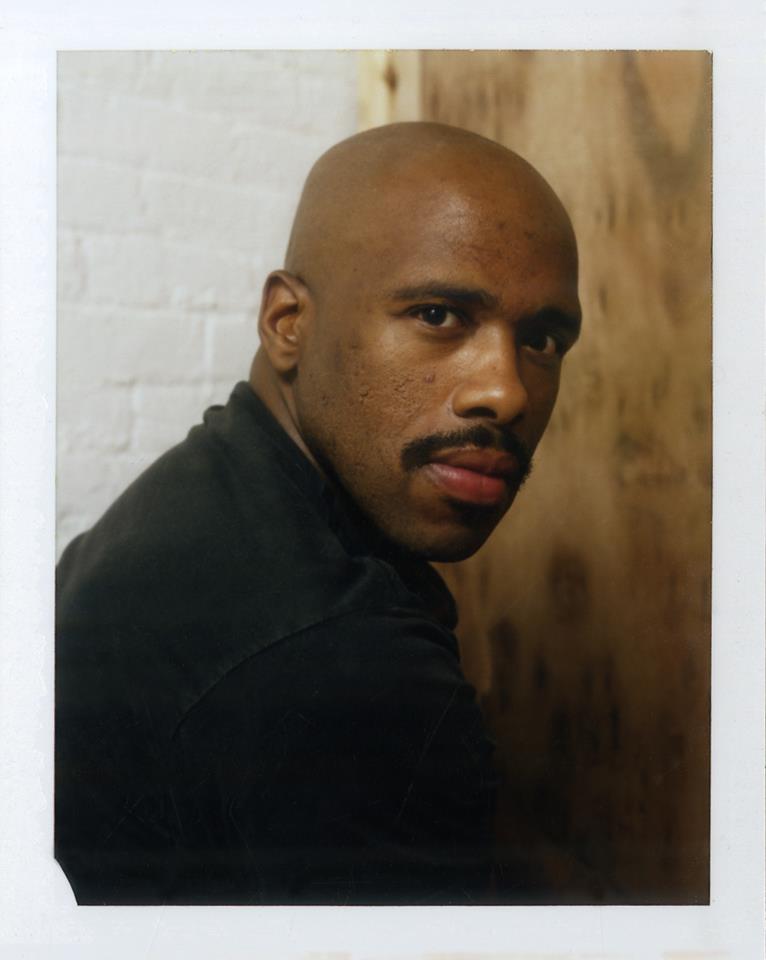
Frank J Miles
Frank J Miles is an artist and writer who graduated from Columbia University, worked as a speechwriter for President Bill Clinton, founded Communitas — a creative think tank in Downtown Manhattan, and exhibited art across four continents.


Comments